
Why Are Your Door Locks Not Working? Causes and Repair Solutions

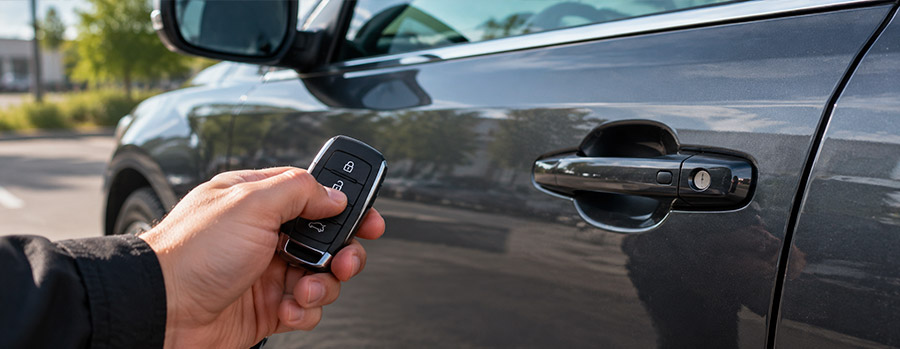
Your vehicle's door locks should work reliably every time you leave home, finish your commute, or park for the day. When you're driving around Port Huron, heading along Pine Grove Avenue, or preparing for a trip along the Blue Water Bridge corridor, dependable door locks are an important part of vehicle security and convenience.
If your
Ford's doors suddenly refuse to lock, unlock inconsistently, or respond only
after several attempts, the problem could stem from several different
components. A weak key fob battery is one possibility, but a failing actuator,
damaged wiring, faulty switch, or malfunctioning door latch can also interfere
with normal operation.
The
symptoms can vary depending on whether the problem affects one door or the
entire locking system. Understanding what to look for can help you recognize
potential trouble and determine when your Ford needs professional attention.
Common Symptoms of Ford Door Lock Failure
A faulty
locking system does not always stop working completely. In some cases, the
first signs are subtle changes in how quickly or consistently the doors
respond.
Here are
several symptoms worth paying attention to:
·
Locks that ignore commands: Pressing the key fob or interior lock switch produces no response.
·
One door remains unlocked: Other doors operate normally, but a particular door fails to follow the
locking command.
·
Repeated clicking sounds: You hear a noise inside the door, but the locking mechanism does not
move correctly.
·
Intermittent functionality: The locks work sometimes but fail without an obvious pattern.
·
Reduced remote range: You need to stand closer to the vehicle for the key fob to work.
·
A door that will not release: The lock appears to disengage, but the door
remains difficult or impossible to open.
Noticing
which doors are affected and which controls still work can help narrow down the
possibilities. However, an inspection is often necessary to identify the exact
fault.
1. Your Key Fob Battery May Be Losing Power
If your
Ford does not respond when you press the lock or unlock button, begin by
considering the key fob. Its battery supplies the power needed to transmit
remote commands, and a weakening battery can cause inconsistent operation.
You may
find that the remote works only when you're close to the vehicle, requires
repeated button presses, or stops responding altogether.
A useful
clue is whether the interior power lock switch still operates the doors
normally. If it does, the issue may be limited to the key fob or remote entry
system rather than the door lock hardware.
Replacing
the battery with the correct type may restore operation. Your owner's manual
provides model-specific guidance for battery replacement.
If a
fresh battery does not resolve the problem, the remote itself may have a
damaged button or internal electronic fault. A problem with the vehicle's
remote entry system may also need to be investigated.
2. A Failed Door Lock Actuator Can Leave One
Door Unresponsive
The
power door lock actuator is an electromechanical device that moves the locking
mechanism when it receives a command. Over time, internal wear or component
failure can prevent it from completing that movement.
An
actuator that is beginning to fail may operate slowly, work intermittently, or
stop moving the lock altogether. You might hear clicking or humming from inside
the door even though the lock remains in its original position.
For
example, if your Ford Explorer's passenger-side doors respond correctly but the
driver's door does not, the actuator could be one possible cause.
Still, a
nonresponsive door does not automatically mean the actuator needs replacement.
A damaged wire, loose connector, or binding mechanical component can produce
similar symptoms.
A
technician can test the actuator and verify its electrical supply before
deciding whether replacement is necessary. This helps ensure the repair
addresses the actual problem.
3. Damaged Wiring Can Interrupt Locking
Signals
Power
door locks depend on electrical connections between the switches, actuators,
and relevant vehicle control systems. If a wire breaks or a connector becomes
loose, the locking mechanism may receive an incomplete or inconsistent signal.
The
wiring that passes between a door and the vehicle body flexes repeatedly as the
door opens and closes. With continued use, individual wires may deteriorate or
break internally.
Depending
on the location of the fault, you may notice:
·
A door lock that works intermittently.
·
Several electrical features in the same door malfunctioning.
·
Locks that stop responding despite a functioning key fob.
·
Different behavior when operating the system through separate controls.
Diagnosing
an electrical connection problem involves inspecting the wiring, checking
connectors, and testing circuit continuity and voltage where appropriate.
Replacing
the actuator without checking the wiring can leave the original problem
unresolved, so electrical testing is an important part of an accurate repair.
4. A Blown Fuse or Power Supply Problem May
Affect Multiple Doors
Your
Ford's electrical circuits use fuses to help protect components from excessive
current. If a fuse associated with the locking system fails, some or all of the
affected functions may stop working.
When
multiple doors become unresponsive simultaneously, the issue may involve a
fuse, shared power supply, control circuit, or electronic component rather than
several individual actuators failing at once.
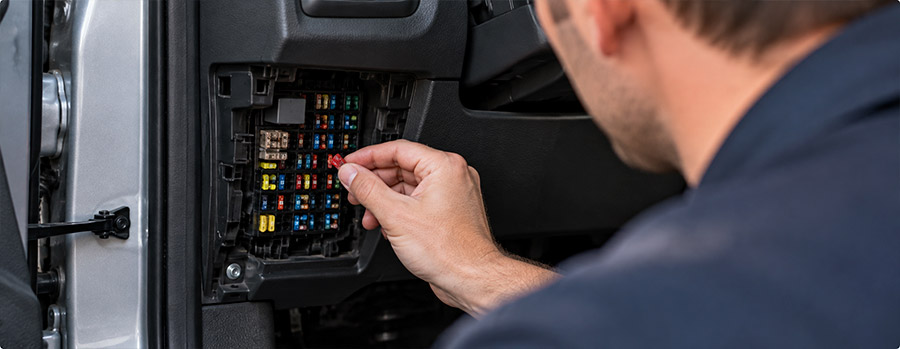
The
correct fuse location and rating depend on your vehicle's model year and
equipment. Consult your owner's manual before checking the relevant circuit.
If a
fuse has blown, replace it only with one of the specified rating. A fuse that
blows repeatedly may indicate an underlying short circuit or another electrical
fault that needs attention.
Simply
installing another fuse will not provide a lasting fix if the cause of the
excessive current remains unresolved. Professional diagnosis can help identify
the problem safely.
5. A Damaged Latch or Mechanical Linkage May
Prevent the Door From Opening
Sometimes,
the electrical locking system operates as expected, but the door still will not
open. In these situations, the fault may involve the latch assembly, handle
mechanism, or internal linkage.
The
latch holds the door securely closed, while associated mechanical parts allow
it to release when the handle is operated. Wear, damage, or a binding component
can prevent the door from opening properly.
You may
notice that the lock appears to disengage, yet pulling the handle produces no
result. Alternatively, the actuator may make its usual sound without fully
releasing the mechanism.
Avoid
repeatedly forcing the handle or pushing against a stuck door. Excessive force
may cause additional damage to the handle, linkage, or latch.
An
inspection can help determine whether the affected parts need adjustment,
repair, or replacement.
6. The Interior Power Lock Switch May Be
Faulty
The
power lock switch inside your Ford lets you secure or unlock the doors without
using the remote. If its internal contacts wear out or its electrical
connection develops a fault, it may stop sending the appropriate command.
The way
the system behaves through other controls can provide a useful clue.
If the
key fob operates the locks but the interior switch does not, the switch or its
wiring may be responsible. If neither control operates one particular door, the
issue may lie elsewhere in the locking circuit.
Testing
the system through multiple controls helps narrow down the possible causes, but
electrical checks may still be required to confirm the diagnosis.
Ford Door Lock Troubleshooting: Symptoms and
Possible Causes
|
Symptom
|
Potential Cause
|
Recommended Action
|
|
Key fob
fails, but interior switches work
|
Weak battery or faulty
remote
|
Check the battery and
test a spare remote if available
|
|
One door will
not lock or unlock
|
Actuator, wiring, or
latch problem
|
Have the affected door
inspected
|
|
Multiple
doors stop responding
|
Fuse, power supply, or
control system fault
|
Arrange electrical
diagnosis
|
|
Clicking or
buzzing inside the door
|
Actuator or mechanical
obstruction
|
Have the locking
mechanism tested
|
|
Locks work
inconsistently
|
Wiring, connector, or
switch fault
|
Note when the problem
occurs
|
|
Door unlocks
but remains stuck
|
Latch, handle, or linkage
issue
|
Avoid forcing the door
and arrange service
|
These
symptoms can help identify where the investigation should begin, but they are
not definitive diagnoses. If your vehicle cannot be secured properly or a door
remains stuck, arrange service promptly.
Visit Northgate Ford for Door Lock Service in
Port Huron, MI
A
properly functioning locking system helps protect your vehicle and makes
everyday use more convenient. Whether your Ford's key fob has stopped
responding, one door refuses to unlock, or the entire power locking system has
become unreliable, finding the underlying cause is the first step toward
resolving the issue.
Rather
than replacing parts based on symptoms alone, appropriate diagnostic testing
helps determine which component is responsible and what repair may be required.
It's worth addressing a malfunctioning door lock before it creates a larger inconvenience, particularly if the vehicle cannot be secured or you have difficulty accessing a door. If a door is stuck, avoid forcing it, as doing so could damage additional components.